Planning what to eat before a long hike can be just as important as planning the hike itself. Eating the right foods can help you maintain steady energy throughout your hike, while eating the wrong foods can leave you feeling sluggish and increase your chances of cramping or needing to use the bathroom. Fortunately, a good meal plan can help you eat the right foods. This article will help you identify which foods you should be eating before a long hike and when you should be eating them.
Foods to Fuel Your Hike
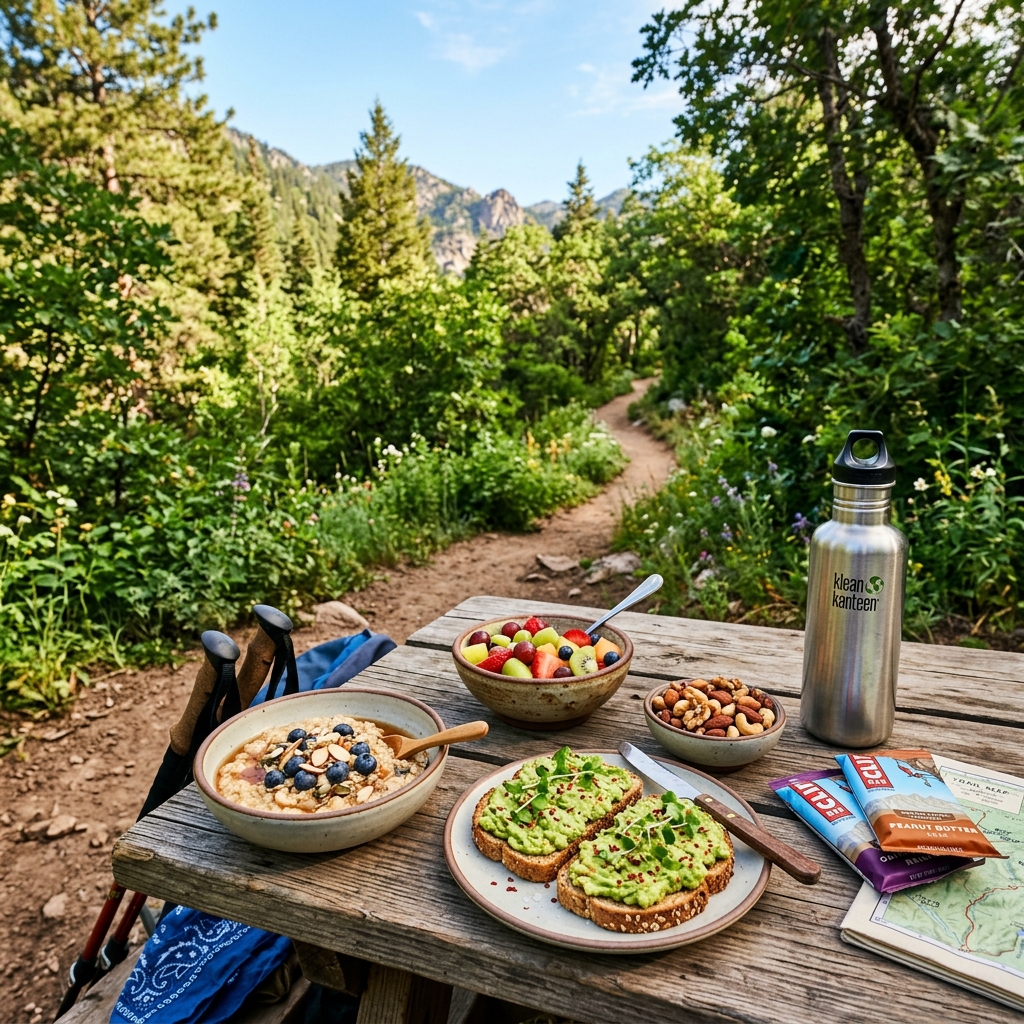
Eating complex carbohydrates before a hike can help provide steady energy throughout it. Some good options before a hike can include whole-grain toast or brown rice. These can be paired with a lean protein such as eggs, chicken, or Greek yogurt to provide a good amino acid base for your muscles and help you stay satisfied between meals. To help stabilize your blood sugar, you can eat healthy fats such as nuts or avocado, or add olive oil to your meal. Bananas are also a good option, as they provide natural sugar and potassium to help stabilize your blood pressure. If you are planning to hike the trails near Zion or the Red Cliffs in Utah, stopping at a restaurant in St. George for breakfast can provide you with a good meal to go before your hike.
Timing your Pre-Hike Meal
A good rule of thumb to prevent discomfort during your hike is to give your body at least two to three hours to fully digest your last meal. Eating a full meal a few hours before your hike may not be ideal, as it can cause discomfort during the hike. Eating a light meal an hour before your hike may help prevent hunger during your hike. Remember to drink plenty of water as you prepare for your hike.
Foods to Leave Off Your Plate
Certain foods can really help you on your hike, but certain foods can really hurt you on your hike. Raw vegetables and beans are very high in fiber. Eating them can cause bloating and/or cramps while you’re hiking. Eating a really greasy, heavy meal can slow your digestive system and make you really nauseated, especially if you’re hiking up a big incline. Caffeine can really dehydrate you. Before your hike, make sure you’re eating something that you have eaten before. If you really want to try a new meal on the morning of your hike, make sure it isn’t really affecting your gut. You want your gut to function normally so you can rely on it during a long hike.
Tips For Fueling Up
Bring some easy-to-transport snacks to munch on while hiking. For hikes longer than two hours, make sure to bring an electrolyte replacement drink to regain fluids and electrolytes lost through sweat. test out potential new pre-hike meals for long trail days. You can ask the waitstaff at a restaurant in St. George for advice on which meals are best for hikers.
Have the Right Nutrition for the Trail
Different foods affect your body differently on a hike. Stick to easily digestible foods. Try to avoid heavier or more unusual foods. Make sure to time your food and drink choices to keep you energized and really enjoy your hike. Either prepare a meal at home or go to a restaurant in St. George, and you’ll be ready for your hike in no time.